Vibration Control Engineering for Painting Rack Systems | Museum Collection Storage Systems | Exclusive Distributor in Taiwan – Bossmen
How Can Museum Collection Storage Systems Reduce Dynamic Loads and Seismic Risks?
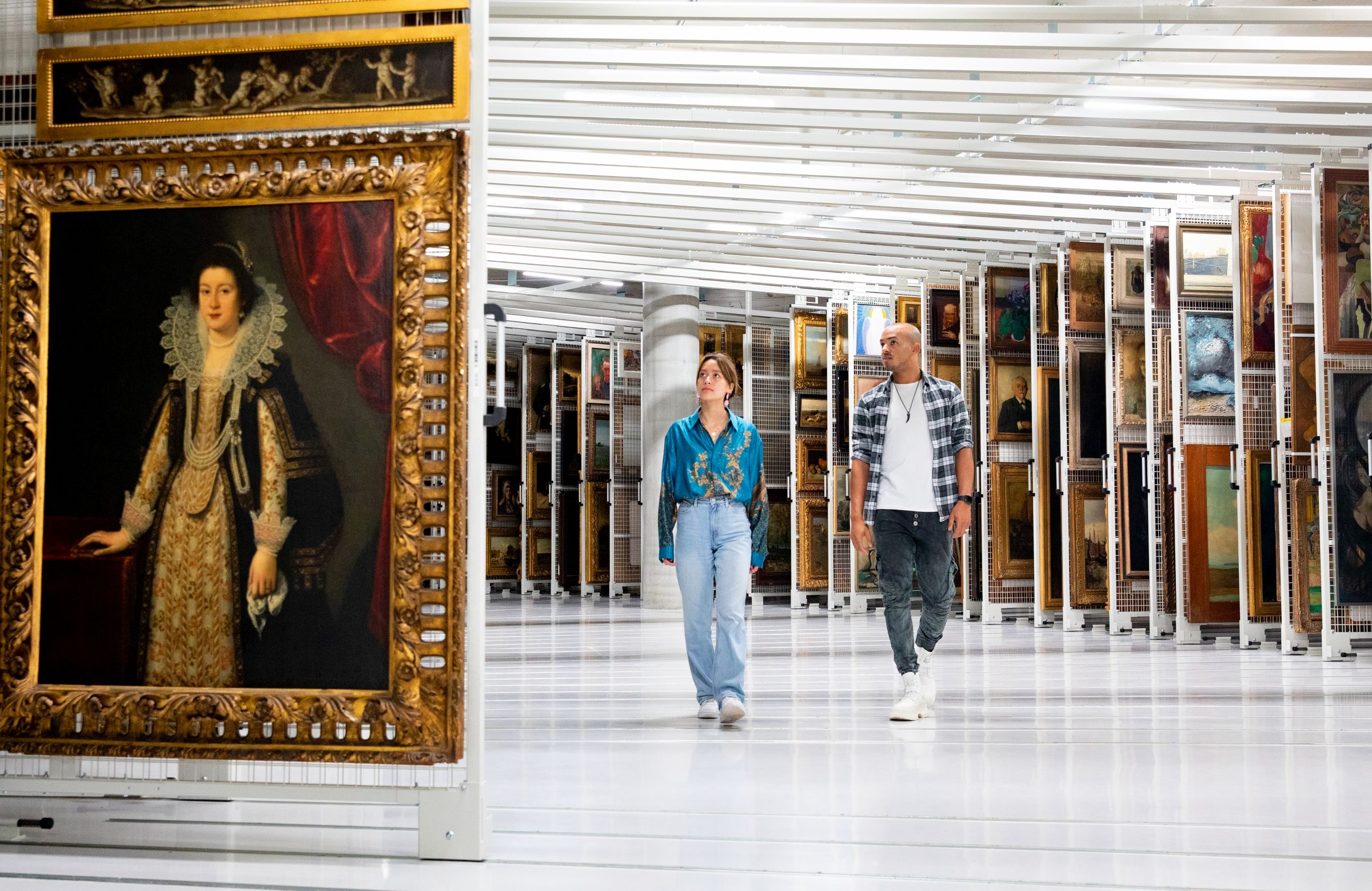
When planning mobile painting rack systems and high-density collection storage, most people prioritize space efficiency and load-bearing capacity.
However, in the field of art conservation, a more critical question arises: have the vibrations and dynamic loads generated during rack movement been effectively controlled?
This case study illustrates how Bossmen applies engineering-driven design principles and introduces museum-grade collection storage systems from the Netherlands to create safer, earthquake-resilient art storage solutions tailored to Taiwan’s seismic environment.
What Is Dynamic Load in Painting Rack Systems?
When a painting rack starts or stops, instantaneous acceleration is generated.
Whenever mass (m) and acceleration (a) are present, force is produced (F = m × a). This force is known as dynamic load.
Over time, accumulated dynamic loads may lead to loosened canvas tension, micro-cracks in paint layers, structural fatigue in wooden frames, and loosening of mounting joints.
These damages are often invisible, yet they represent some of the most easily overlooked risks in art preservation.
Under Taiwan’s Seismic Environment: Challenges in Collection Storage
Taiwan is located in a high seismic-risk region.
When planning museum storage equipment or collection rack systems, it is essential to consider horizontal seismic shear forces, lateral rack displacement, structural stiffness, and foundation anchoring design.
If only load-bearing capacity is prioritized while dynamic vibration and seismic resistance are overlooked, artworks may still be exposed to amplification effects and structural risks during earthquakes.
Solution: Introducing Museum-Grade Collection Storage Systems from the Netherlands
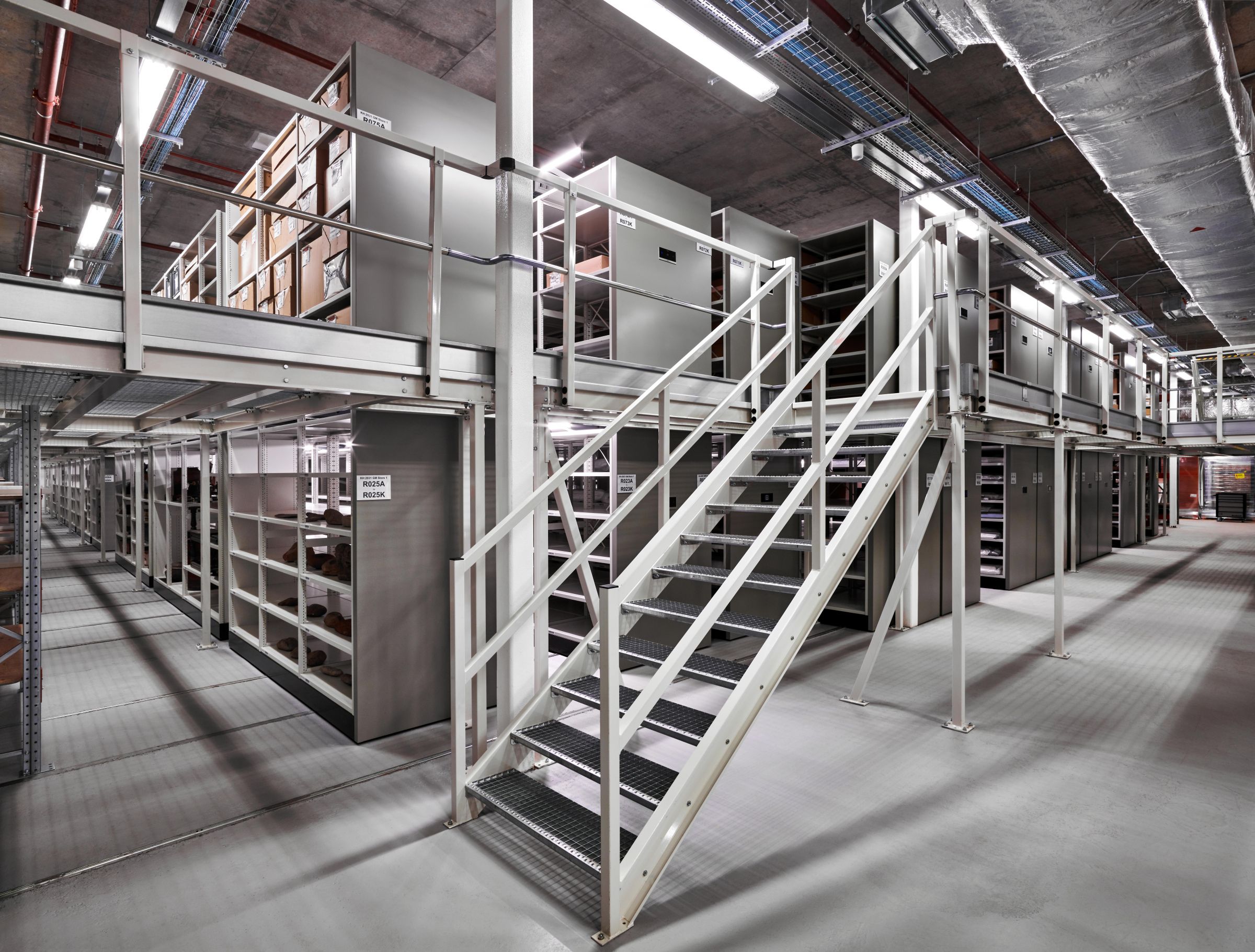
Bossmen is the exclusive distributor in Taiwan for Bruynzeel Storage Systems, introducing museum-grade collection storage equipment designed by the original Dutch manufacturer.
• Low-acceleration soft-start mechanism to reduce vibration peaks
• High-rigidity steel frame structure to control lateral deformation
• Precision rails and evenly distributed wheel systems to prevent eccentric loading
• Customizable structural reinforcement based on Taiwan’s seismic conditions
This system is widely adopted by European museums and national-level collection institutions, and is specifically engineered for long-term art preservation.
Why Choose Original Manufacturer–Imported Collection Storage Systems?
This system is designed and manufactured by the original factory and imported by sea, which requires time for design confirmation, factory production cycles, and international shipping.
It is not the fastest-delivery painting rack system on the market, nor is it the lowest-cost storage solution.
However, it offers engineered control of dynamic loads, incorporates seismic-resilient design principles, and is built with responsibility for performance ten or even twenty years into the future.
Art preservation is not a one-time purchase—it is long-term risk management.
Project Outcome: Safety and Efficiency Combined
• Significantly reduced vibration during rack movement
• Improved structural stability
• Effective control of lateral displacement
• Optimized space utilization
What the client receives is not merely a painting rack system, but an engineering-grade art storage solution designed to meet professional standards.
Collection Storage System Planning Consultation
If you are planning painting rack systems, museum storage equipment, high-density collection vaults, or art preservation spaces in seismic environments, we welcome you to contact Bossmen.
Let storage be more than organization—make it engineering-grade protection.
- Tab Gallerys